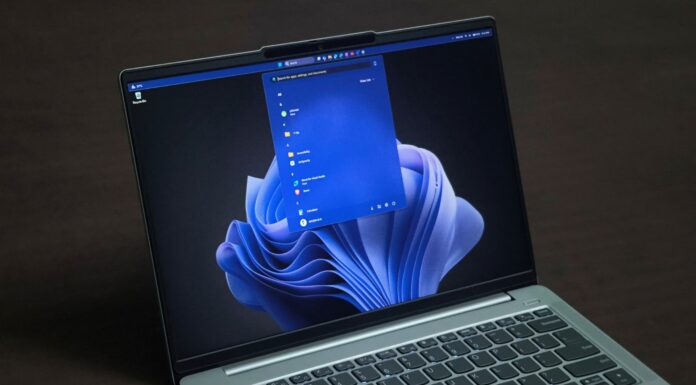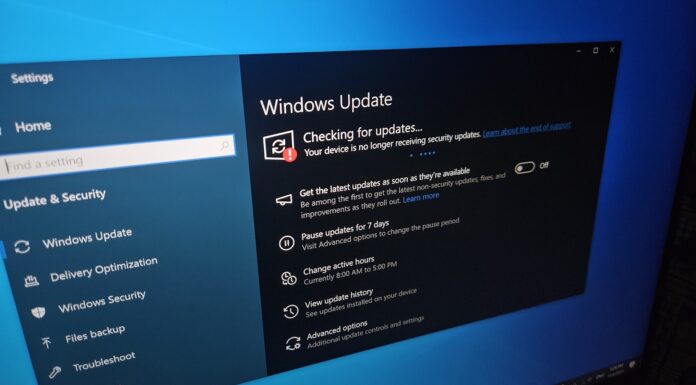









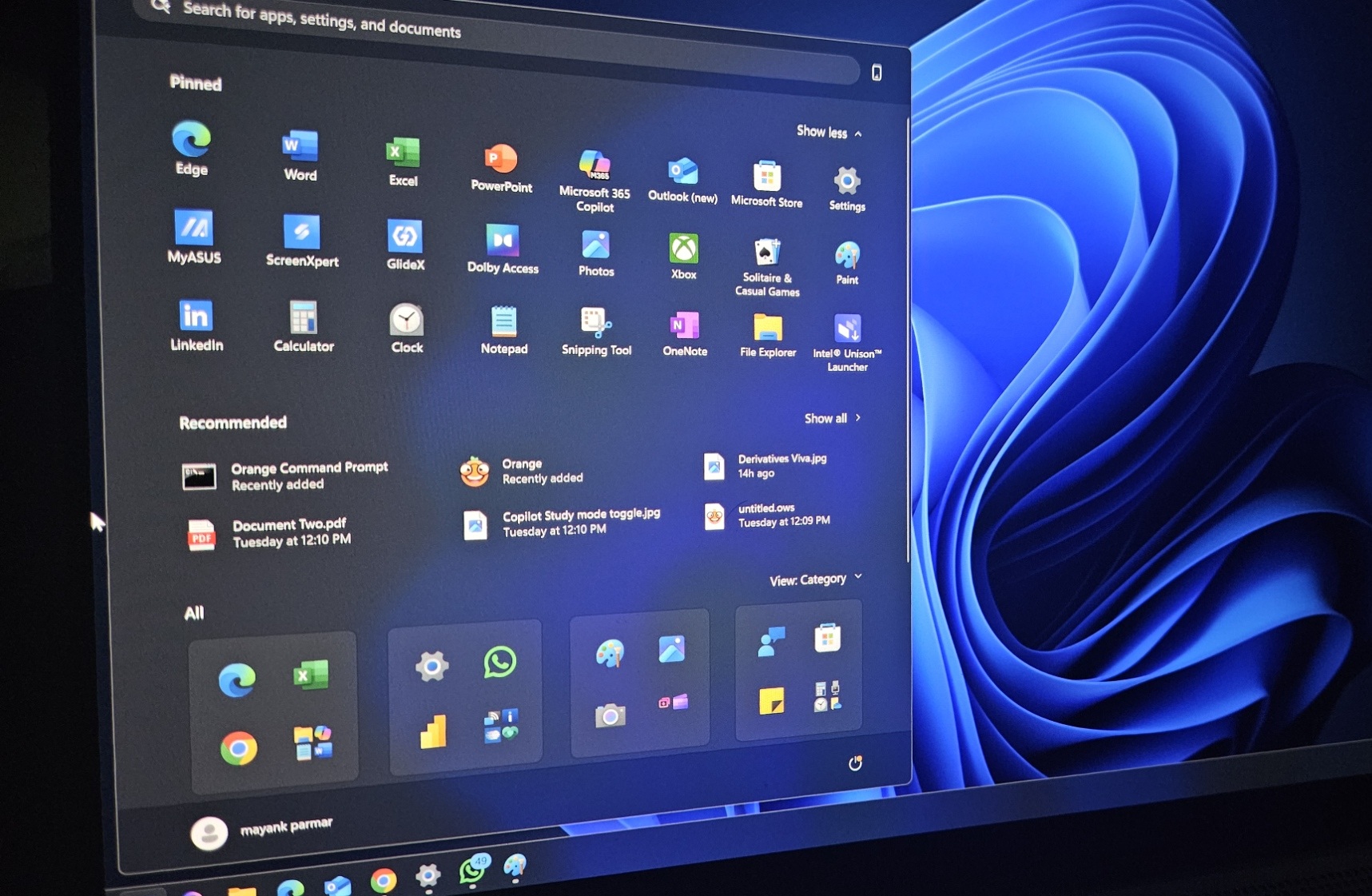
Microsoft told Windows Latest that the company does not plan to rewrite Windows 11 using AI in Rust, which is a programming language that is more secure than C and C++. But the clarification is not coming out of nowhere, as a top-level Microsoft engineer made bold claims of using AI to replace C and C++ with Rust.
“My goal is to eliminate every line of C and C++ from Microsoft by 2030. Our strategy is to combine AI *and* Algorithms to rewrite Microsoft’s largest codebases. Our North Star is “1 engineer, 1 month, 1 million lines of code,” Galen Hunt, who is a top-level Distinguished Engineer at Microsoft, wrote in a now-edited LinkedIn post.
“Eliminate every line of C and C++ from Microsoft by 2030” obviously suggests that Microsoft’s top-level engineer, who is responsible for several large-scale research projects, is talking about products like Windows. For those unaware, most of the Windows API level code, and even its kernel, is built in C, while C++ powers some of the apps.
I also screenshotted the LinkedIn post before it was edited out by the top-level Microsoft engineer:
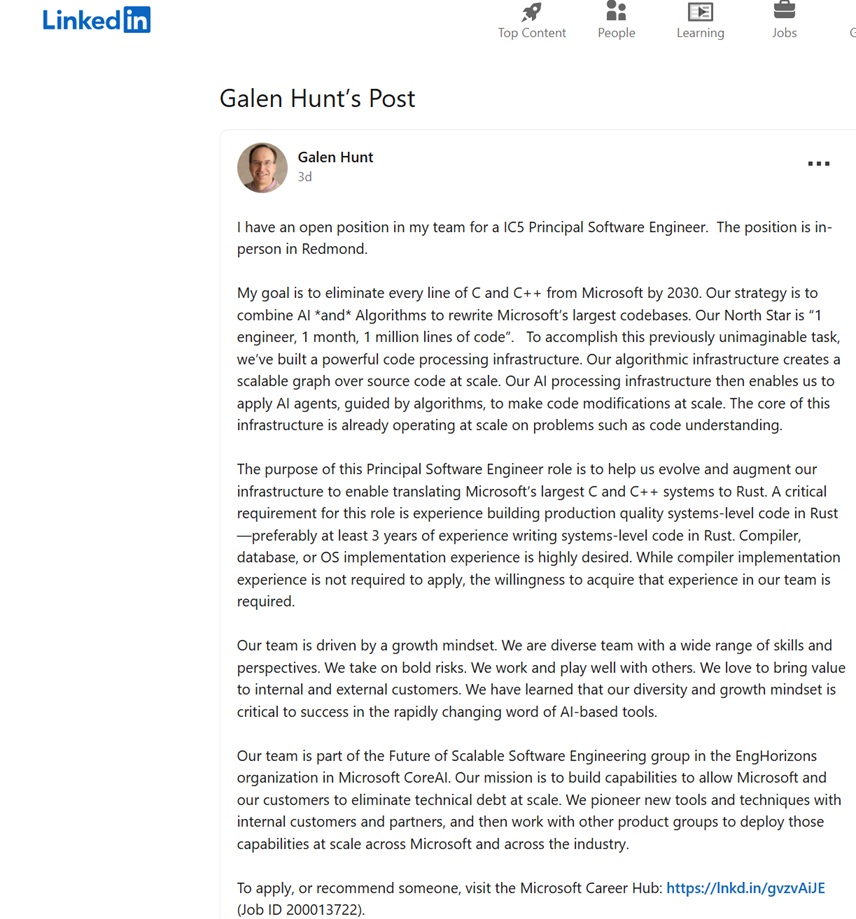
Honestly, most people would not have taken this seriously if it did not come from a top-level Microsoft engineer. When someone with that kind of title and long history at the company talks about eliminating C and C++ and using AI to rewrite large codebases, it sounds less like a random idea and more like something Microsoft is at least exploring.
Moreover, the LinkedIn post repeatedly used “our”, which sort of makes it obvious he’s speaking on behalf of the company.
Following the outrage over plans to “eliminate every line of C and C++ from Microsoft by 2030,” Microsoft told Windows Latest that there are no such plans.
Frank X. Shaw, who is a top-level executive and heads communications for Microsoft, also confirmed to Windows Latest that the company has no plans to rewrite Windows 11 using AI.
Galen Hunt, who originally claimed C and C++ are being replaced with Rust using AI, also updated his LinkedIn post with the following clarification:
“It appears my post generated far more attention than I intended… with a lot of speculative reading between the lines.. Just to clarify… Windows is *NOT* being rewritten in Rust with AI.
My team’s project is a research project. We are building tech to make migration from language to language possible. The intent of my post was to find like-minded engineers to join us on the next stage of this multi-year endeavor—not to set a new strategy for Windows 11+ or to imply that Rust is an endpoint.”
While Galen Hunt says people were “reading between the lines,” the reaction did not come out of nowhere. His post used very direct language about eliminating C and C++ by 2030 and using AI plus algorithms to rewrite large codebases, along with a “1 engineer, 1 month, 1 million lines of code” line.
In fact, the top-level engineer’s edited post still says his team would have “1 engineer, 1 month, 1 million lines of code.”
The original wording is what made it sound broader than a small research effort, but nobody should be against using Rust. In fact, Rust is indeed a better choice and is far more secure. But most of us are concerned about using AI and algorithms to modify code at a large scale.
Microsoft has been very vocal about using AI to write code
It’s actually not the first time we’ve heard Microsoft confirming that it intends to use AI to code its own products.
CEO Satya Nadella proudly claims that 30% of the company’s code was written by AI, and numbers are only going to increase from here.
“I’d say maybe 20%, 30% of the code that is inside of our repos today and some of our projects are probably all written by software,” Nadella explained at Meta’s inaugural LlamaCon AI developer in April 2025.
In the same month, Microsoft’s CTO stated that he expects up to 95% of code to be AI-generated by 2030.
Windows 11 has a bigger problem, and it’s WebView2 or Electron
As Windows Latest previously reported, the most popular Windows apps are notorious for consuming a significant amount of RA,M and it’s largely because of the standards set by Microsoft.
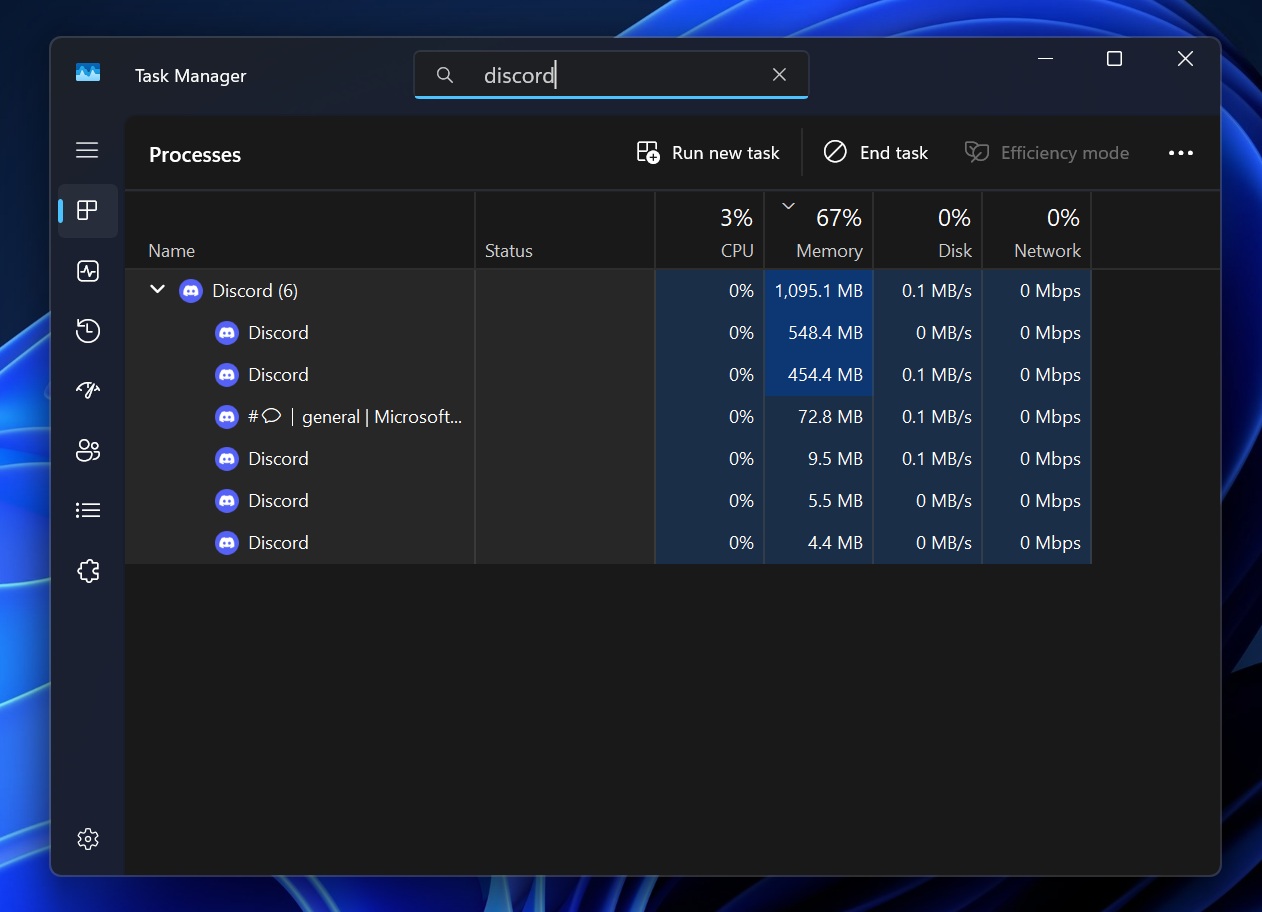
For example, Discord admitted that its Windows app can use up to 4GB of RAM in some cases, and when that happens, the company will automatically restart the client. Discord is an Electron-based app, which is actually worse than WebView2.
WebView2-based Microsoft Teams consistently uses 1-2GB of RAM while doing nothing. Microsoft likely doesn’t know how to make these web apps use fewer resources, so it’s instead moving Teams calling to a separate process to reduce crashes.
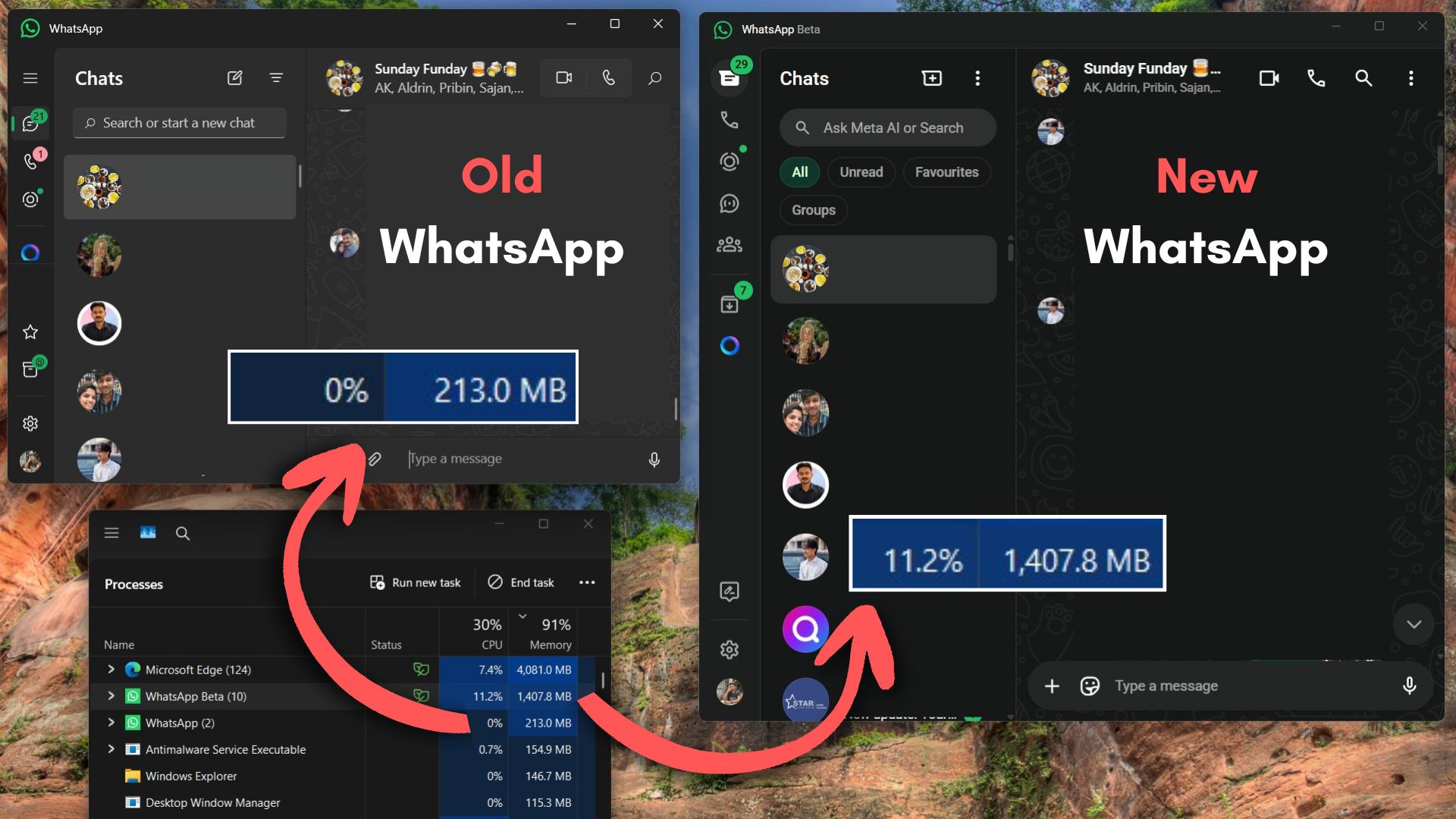
But Teams is not the only web app causing trouble when RAM prices are about to soar, as we also have WhatsApp. When WhatsApp debuted on Windows, it was an Electron app. However, Meta later upgraded it to WinUI/XAML (also known as native code on Windows), and WhatsApp eventually became one of the best apps.
Granted, WhatsApp native was not perfect, but it used less than 200MB of RAM and had smoother animations and faster load times. Unfortunately, Meta disbanded the team behind the native client as part of the layoffs and replaced WhatsApp with a WebView2-based solution, which uses seven times more RAM than the older native client.
But if you thought the “web crap” problem was just isolated to these apps, you are wrong.
Windows Latest recently spotted that Microsoft has started building parts of Windows 11 using WebView2. More recently, we observed that an upcoming feature, “Agenda view,” which allows you to view Outlook Agenda in Notification Center, is built using WebView2.
This means you’ll notice new Edge-related processes taking up to 100MB of RAM when you open Notifications Center and Agenda View is enabled.
Agenda view support was dropped when Microsoft rolled out Windows 11, and it’s coming back due to popular demand, but unlike the Windows 10 version, the new Agenda View is web-based.
I don’t think the use of AI is going to make Windows any better. It’s the intent of the leadership that needs to change, and I doubt that will ever happen.