

A Google researcher who spent four years as a reverse engineer at Microsoft has reopened one of computing’s oldest arguments, and she thinks Linux is on the losing side.
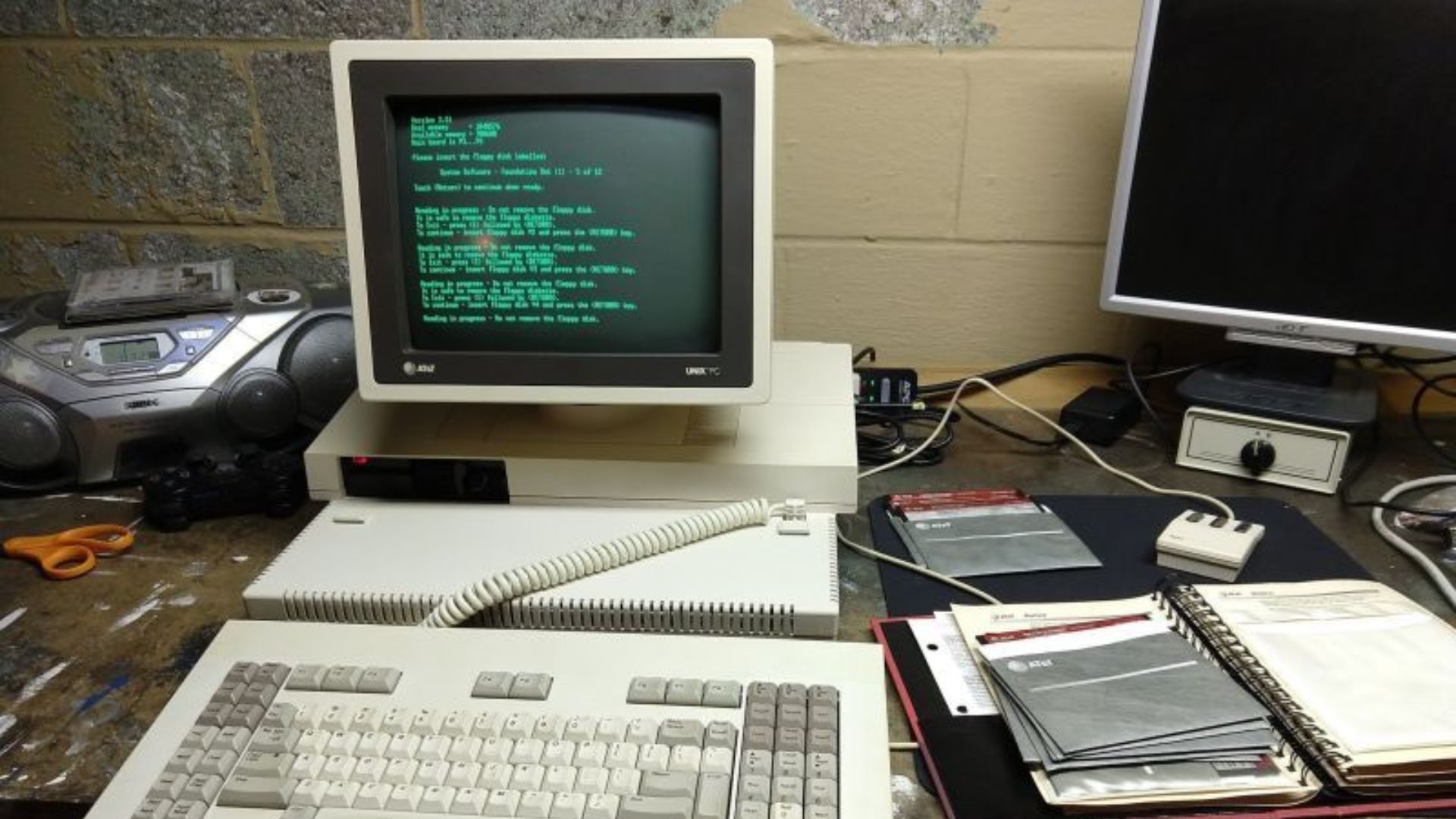
Laurie Kirk, who joined Google in 2024 and runs the LaurieWired YouTube channel (with more than half a million subscribers), wrote on X and LinkedIn that “the NT kernel really is an engineering marvel that still puts Linux to shame in many ways.”
Kirk’s acclaim is for the architecture under Windows, meaning how NT represents resources and decides who can access them. We are not discussing the Start menu, or Copilot or the ads in Windows. I say that because Kirk takes the argument into 2026, asking whether Linux suits AI agents that get more permissions every month, and imagines an alternate history where Microsoft shipped an “Open NT” that Amazon could fork.
As with every unrestrained social media post about Windows and Linux, veteran engineers in the replies pushed back hard, arguing that Linux’s modular design is intentional and that forks would sink any Open NT.
Remember, Laurie Kirk is praising the NT kernel under Windows, not Windows 11
Windows NT first shipped in 1993 and has been the base of every major desktop Windows release since Windows XP in 2001, Windows 11 included. Windows 95, 98 and Me belonged to the separate DOS-based Windows 9x family, while Windows 2000 was NT-based. Microsoft hired Dave Cutler in October 1988 after he led VMS development at DEC.
According to Microsoft, his small team of ex-DEC engineers spent six months on a specification before writing code, with portability, multiprocessor support, and C2 security certification as goals.
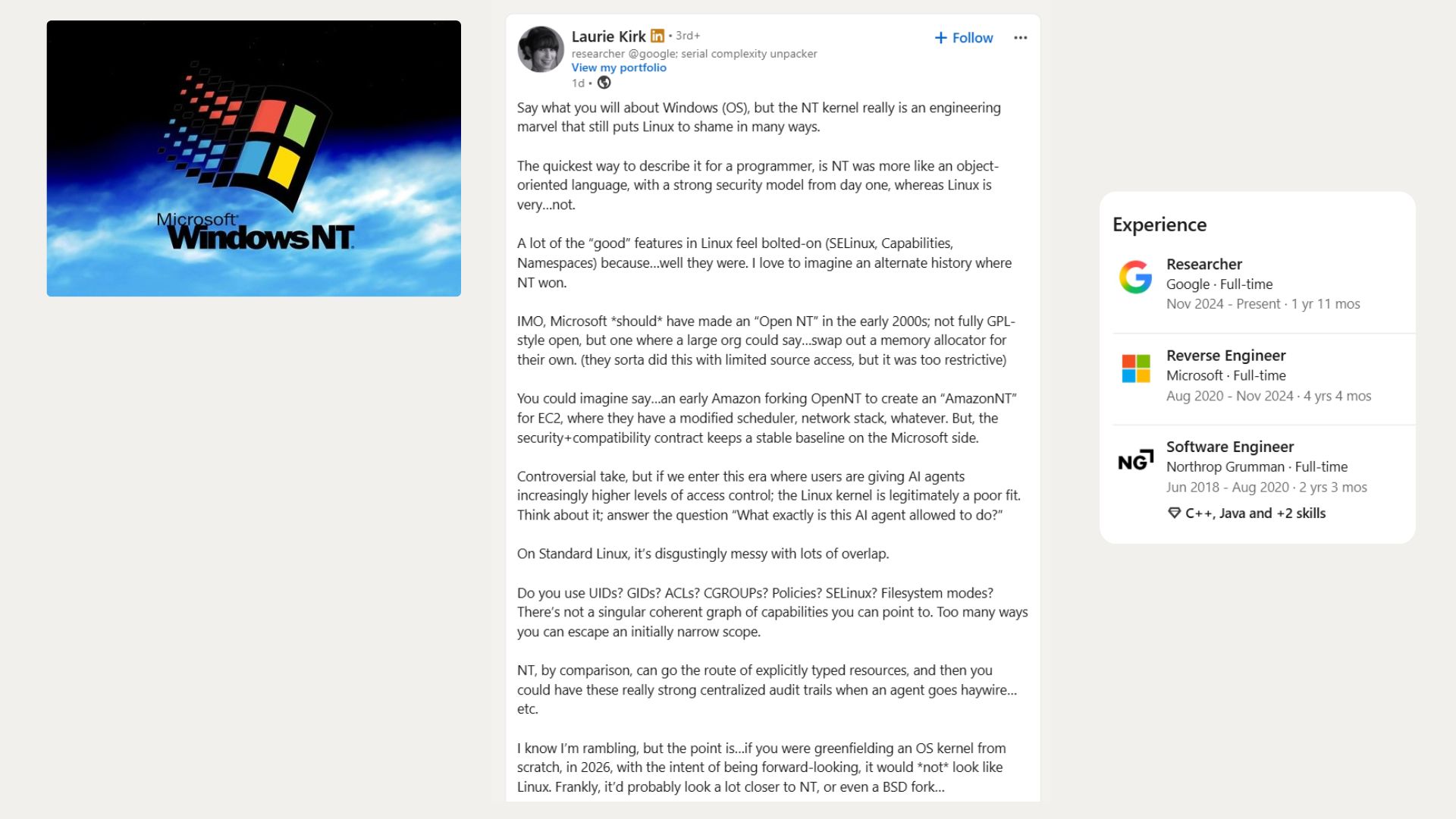
Dave Plummer, the retired Microsoft engineer behind Task Manager, replied that “NT wasn’t Dave Cutler’s first rodeo, and it shows in how forward-looking it was and is.” He added, “After RSX-11M and VMS, Windows NT was his THIRD time crafting the kernel from scratch.”
Still, NT isn’t VMS with a Windows logo. It began as NT OS/2, a portable OS first written for Intel’s i860 chip before moving to MIPS. Microsoft swapped its main personality from OS/2 to Win32 after Windows 3.0 took off!
As for Windows 11, Franco Minucci, an SoC engineer at Nokia, said it better: “the problems with Windows 11 are more shell issues than kernel issues.” Most of the hate towards Windows 11 was about AI, from the agentic OS backlash to Microsoft telling power users “we care deeply about you” and its AI chief not understanding why AI felt underwhelming.
However, that Microsoft is long gone, as Copilot is getting a massive update, with impressive features that CEO Satya Nadella felt compelled to call an OS for work.
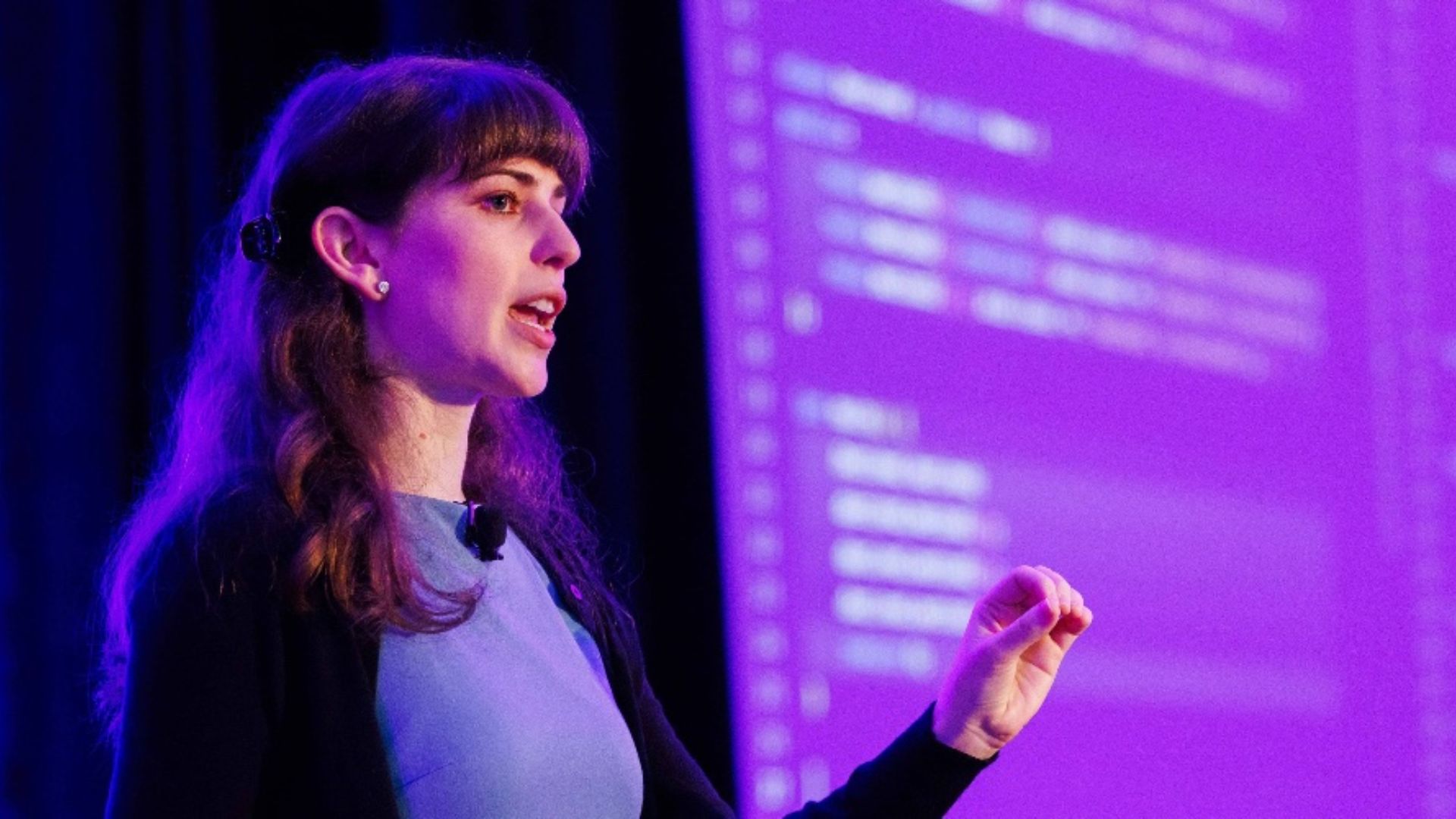
Anyway, when a user asked how Kirk could judge a closed-source kernel, she simply replied, “maybe because I used to work there…” reminding everyone that she worked 4 years at Microsoft.
Windows NT is object-based, which is what Kirk means by object-oriented
Kirk’s short version is that NT “was more like an object-oriented language, with a strong security model from day one, whereas Linux is very…not.”
Of course, “object-oriented” is an analogy. Microsoft said Windows isn’t object-oriented in the classical C++ sense, and calls it object-based.
In NT, processes, threads, files, devices, registry keys, mutexes, jobs and access tokens are all objects, across more than 25 object types. One component, the Object Manager, creates and destroys them, keeps their namespace, tracks what each process holds, and tracks access rights. Other components can only use an object through routines exported by its owner, which Microsoft says lets it rewrite a component’s internals without breaking anything else.
Developers see this through handles. When an app opens a file, Windows returns a handle and stores the granted rights with it, and every later request is checked against those rights. If you duplicate a handle, rights can be removed from the copy, but whether rights can be added depends on the object type.
One consistent model for so many resources feels like a luxury, so I can see why Kirk finds it elegant.
NT’s security model was designed around resources, identities, and permissions
Microsoft’s documentation described a security model based primarily on per-object rights with a few system-wide privileges on top.
When you sign in, Windows creates an access token carrying your security identifier (SID), your groups, and your privileges, and processes you start normally inherit that security context. Each securable object has a security descriptor that can contain an access control list (ACL) saying which SIDs are allowed or denied which rights. Ask for an object, and Windows checks your token against its ACL, then hands you a handle with the granted rights.
The descriptor can also hold a system ACL that controls auditing, so admins can log successful and failed access to objects when auditing is enabled.
However, a strong model doesn’t make a secure OS. NT 3.5 with Service Pack 3 earned its C2 rating in 1995, but only as a standalone PC with no networking, and only after tightening default file and registry permissions. Ken C., an infrastructure engineer formerly at Bloomberg and Reuters, asked Kirk to name “any other product requiring monthly updates… or else you risk being hacked.” Drivers, defaults and decades of compatibility work shape Windows security as much as the kernel does.
Linux’s security model is more complicated, but it isn’t necessarily a flaw
Kirk’s other target is Linux. “Do you use UIDs? GIDs? ACLs? CGROUPs? Policies? SELinux? Filesystem modes?” she asks, arguing there’s no “singular coherent graph of capabilities.”
Each piece does a different job. UIDs and GIDs identify users and groups, while file modes and ACLs guard files. Capabilities split root’s powers, so a web server can bind to port 80 without full root. Namespaces give a process its own view of mounts, processes, or networks (which is how containers work), cgroups cap CPU and memory; and SELinux and other Linux Security Modules (LSMs) enforce extra policy.
Kirk is right that most of it came later. The kernel’s LSM documentation says the NSA presented SELinux in 2001 as a separate patch. Linus Torvalds responded by proposing a framework of hooks any security model could plug into, which shipped in Linux 2.6.0 in December 2003. The kernel now ships SELinux, AppArmor, Smack, TOMOYO, Landlock and more.
Ken C. argued the add-on model is the unifying philosophy of Unix and Linux and “the whole point.” Kevin Faulkner added that optional SELinux lets some HPC projects skip overhead they can’t afford.
Neither camp gets to define clean architecture. NT centralizes around one object model, while Linux grew composable mechanisms on a Unix-like base.
AI agents are why Kirk thinks Linux is a poor fit in 2026
The Google researcher brings the AI problem down to one line: “What exactly is this AI agent allowed to do?”
An admin can already automate tasks. An AI agent can run thousands of actions in minutes, execute code it just wrote, read files, and chain permissions together without asking you. The OS has to define, limit, and prove what that software could do.
Kirk says NT “can go the route of explicitly typed resources” and give “really strong centralized audit trails when an agent goes haywire.” It’s a thesis, though.
Linux has a strong answer. Landlock, added in Linux 5.13, lets even unprivileged processes limit their own file system access, with restrictions on certain network operations added in later releases. The rules pass to child processes and can only get stricter, and denied requests can go to the audit log when auditing is enabled. Add seccomp, namespaces, cgroups, and LSMs, and Linux can contain an agent. The Landlock docs do admit namespaces “are not designed for access-control,” which is similar to Kirk’s complaint.
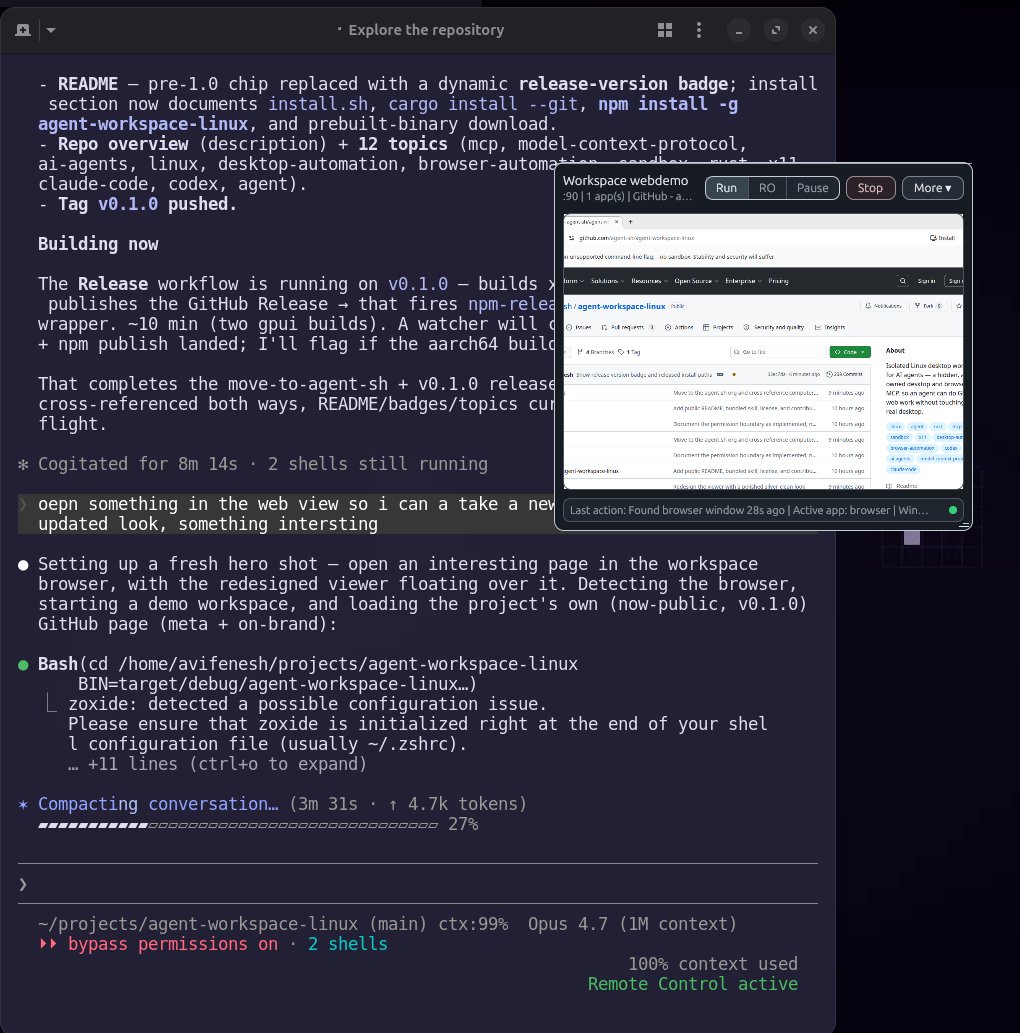
So, the debate is about whether an OS built around agents would make these controls easier to reason about, and Microsoft is working on it. At Build 2026, it announced an early preview of the Microsoft Execution Containers (MXC) SDK, where developers declare what an agent can access and Windows enforces it at runtime. MXC session isolation runs agents under their own user accounts, so every action is attributed to the agent. Windows 11’s experimental Agent Workspace already uses ACLs to control agent accounts’ access to files.
Agents on Windows are getting SIDs, tokens, and ACLs, which is the NT model Kirk is praising. Of course, Microsoft’s agentic OS push, from an AI agent on the taskbar to a background agent with access to personal folders, came with their own malware warnings. Its work doesn’t prove Microsoft agrees with Kirk about Linux, but Redmond is asking her question.
“Open NT” is the alternate history Laurie Kirk wishes Microsoft had written
Kirk says Microsoft “should have made an ‘Open NT’” in the early 2000s, not fully GPL-style, “but one where a large org could say…swap out a memory allocator for their own.” Her example is an early Amazon building “AmazonNT” for EC2 with its own scheduler or network stack, while “the security+compatibility contract keeps a stable baseline on the Microsoft side.”
She admits Microsoft “sorta did this.” Its Shared Source Initiative offered Windows source code to about 1,600 eligible enterprise customers, with separate programs for universities and governments. In 2001, Austria’s Interior Ministry became the first European government to get the Windows XP source. In 2006, the Windows Research Kernel let academics modify NT’s scheduler and memory manager, but only for teaching and research.
Shared Source let you study the code. It didn’t let Amazon ship a commercial NT fork.
But why didn’t Microsoft go further? In my opinion, it has to do with licensing revenue, intellectual property, support costs, and the fear of breaking the compatibility promise that kept Win32 apps running for three decades.
Linux’s biggest counterargument to Open NT is the cost of forks
The strongest pushback came from David Airlie, a longtime Linux kernel developer who maintains its graphics subsystem. “Forks don’t work like that. Too expensive over time to maintain,” he wrote, asking Kirk to imagine still maintaining a fork of NT’s memory manager 20 years later.
Kirk pointed to Java, where Corretto, GraalVM, Azul and OpenJ9 offer different distributions or JVM implementations targeting the same Java specifications. Airlie replied that those have paying customers, and an internal NT fork without revenue would constantly face pressure to disappear. “Lots of people fork Linux, last a year or five, then realize they needed to work upstream due to cost pressure,” he added.
If Amazon had rewritten NT’s scheduler, relevant Microsoft security fixes would need to be merged and retested regularly, until the fork became a second kernel team. With Linux, companies send useful changes upstream, where the community maintains them, so its architecture and development model can’t be separated.
Kirk assumes a stable NT contract would keep forks sustainable. Airlie says a divergent kernel is expensive even when the source is fully open, which is a fair argument to say the least.
NT has its own baggage, and critics are right to bring it up
Ken C, who has years of experience in IT and Systems Reliability, said VMS’s consistency only partly carried over to NT. He asked how to get deterministic performance from non-realtime NT without overbuying hardware, and said his words for the registry “are not fit for a professional venue.”
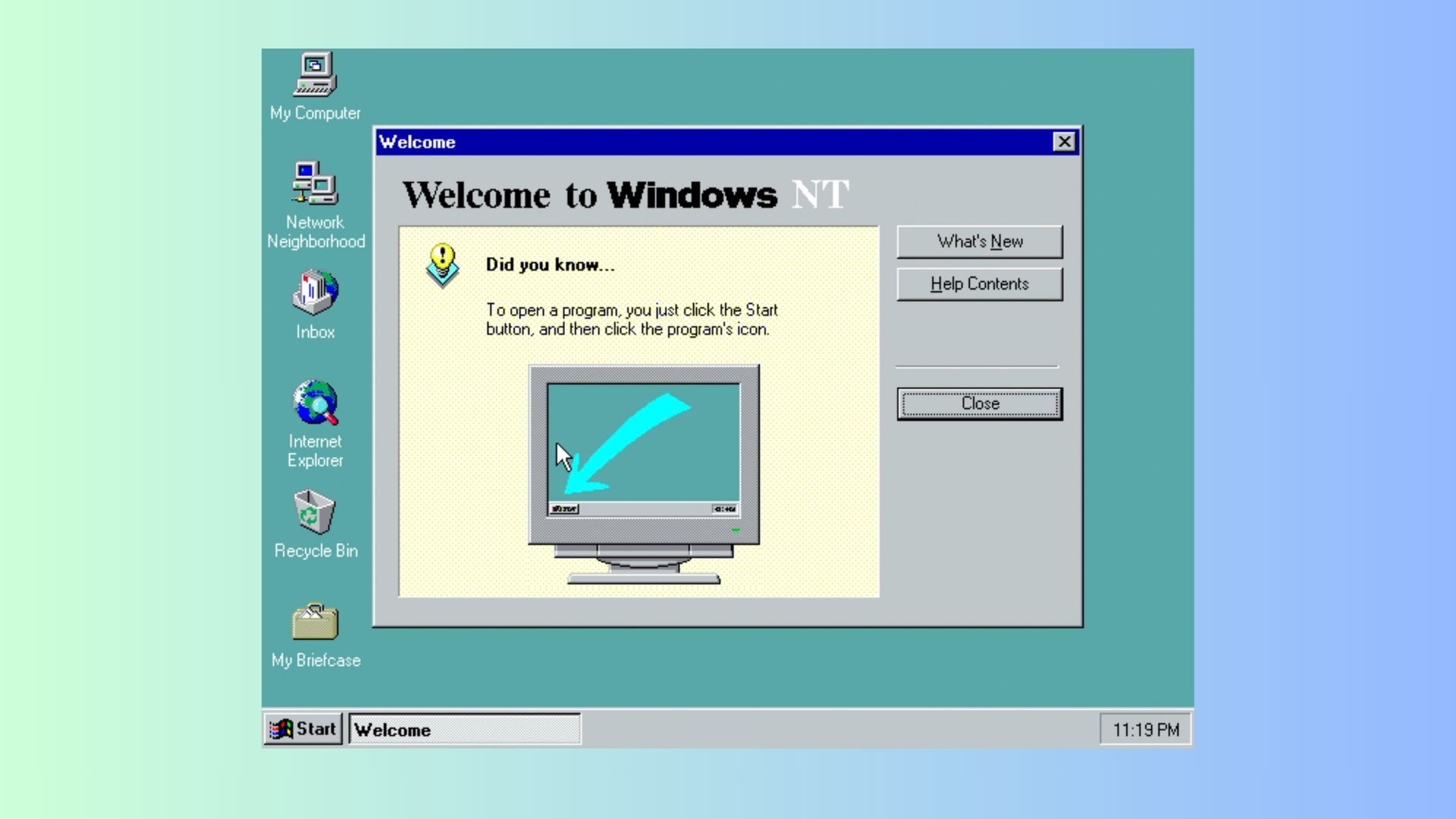
Ricardo Bánffy, a senior software engineer, noted that NT 4.0 pulled graphics drivers into kernel space for graphics speed. Microsoft’s documentation confirms that NT 4.0 moved the Window Manager, GDI, and graphics drivers into the kernel, so a bad graphics driver could now crash the OS. Windows 2000 then expanded the NT line with the Windows Driver Model, full Plug and Play support, power management, WMI integration and job objects, and every release since has piled on more.
The NT kernel in Windows 11 isn’t the 1993 design frozen in amber (that was a Jurassic Park reference, by the way). Kirk is praising NT’s founding ideas, and plenty of what Microsoft built later is fair game.
Linux’s success is the strongest argument against the NT alternate history
Linux won servers and the cloud because anyone could modify it, run it on cheap hardware, and send changes back, which fed containers, developer tools, and Android. In the replies, developer Oliver M. S. credited efficiency and control, while Sean Mert, a Founder and CEO, relayed a Nasdaq sysadmin’s view that only VMS stayed stable under exchange-level load. Both are practitioner opinions, though.
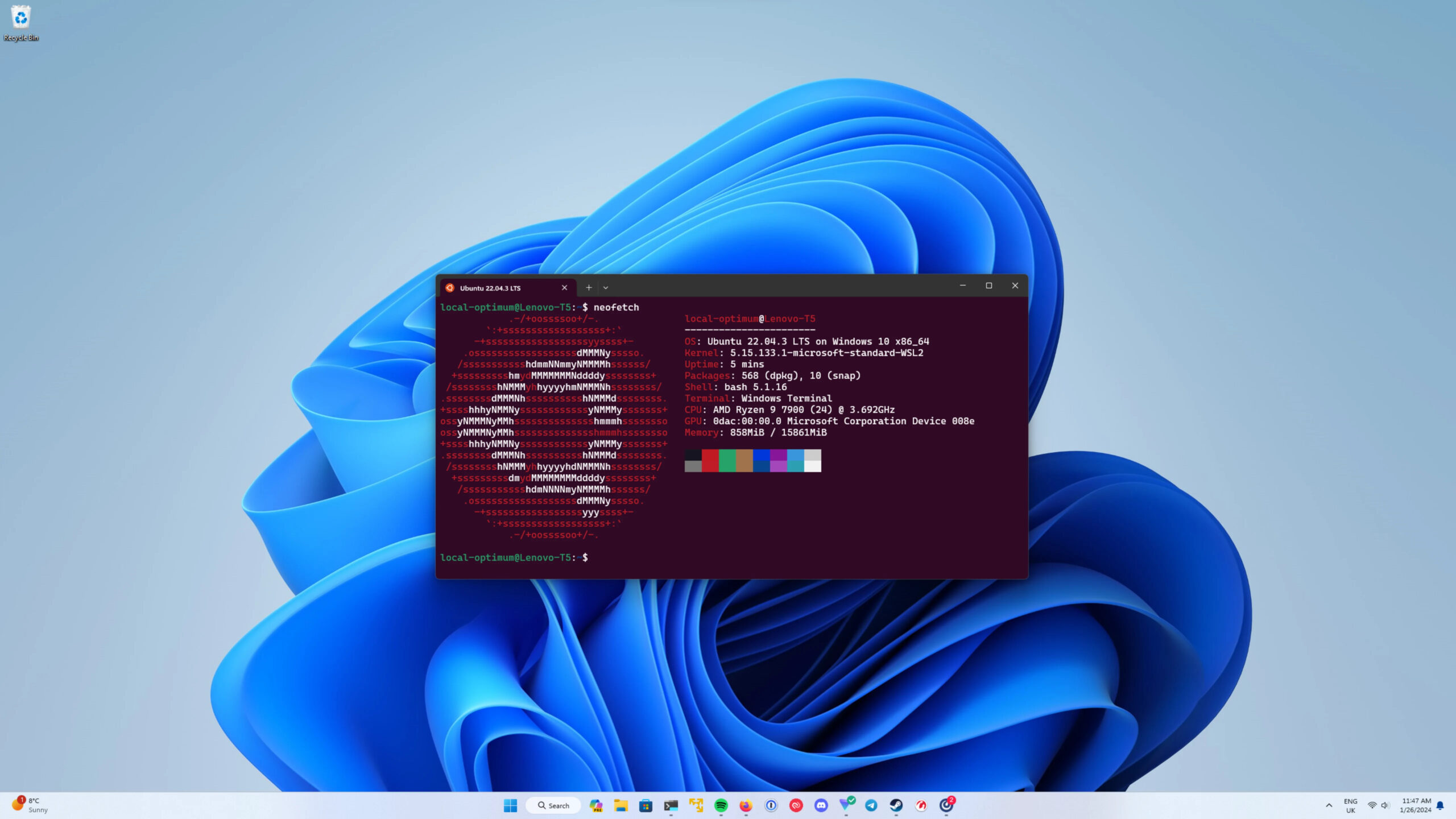
The irony is that Microsoft spent 2026 making Windows a better home for Linux. Ubuntu is growing faster through WSL than on native Linux PCs, and WSL is getting faster file access and better networking. Microsoft also revealed WSL Containers, which we used to run Linux containers without Docker Desktop. Even Google is bringing WSL support to its AI tools.
Microsoft also built a tool that turns Windows 11 into a ready-to-code PC and a special Windows 11 for power users, yet a recent poll puts Windows at just 12% among its respondents.
What Windows could learn from BSD?
Kirk also said a kernel built in 2026 might look closer to NT “or even a BSD fork.” She called BSD “more architecturally tidy,” with fewer overlapping ways to define a capability, and praised jails for arriving so early.
FreeBSD jails isolate a process’s view of the file system, users, and network. Capsicum is closer to her point, since a process in capability mode loses general access to global namespaces and relies on rights explicitly handed to it through file descriptors or memory mappings. Funnily enough, Capsicum was built at Cambridge with a grant from Google.
Capability-based security isn’t a Windows invention, and Kirk’s argument is really about how an OS represents authority.
The real question is what an operating system should make easy in 2026 and forward
NT says resources should have defined types, access should be attached to them, and the OS should provide shared mechanisms to check and audit access. Linux starts with a flexible Unix-like base, offers composable mechanisms, and lets distros and admins combine what they need.
Neither guarantees a secure OS. But AI changes the question from who the user is to what a software agent can do, to which resources, for how long, on whose behalf, and how to prove what it did.
NT didn’t become the OS of the server and cloud world. That crown went to Linux. Yet objects, handles, tokens, and ACLs still run Windows 33 years after NT 3.1 shipped, and Microsoft is now reusing them to contain AI agents.
Laurie Kirk’s Open NT will probably stay a fantasy, but as computers act on our behalf instead of waiting for commands, every OS needs a clearer answer about how far we let those agents go.